Contact Sprinkler Master (N. SLC Bountiful, UT) experienced professionals today! Phone: (385) 226-5764
Our experienced team can fix your sprinkler irrigation systems leak, repair a sprinkler head, and put in new drip sprinklers. Or, if you are just looking to adjust your sprinklers to help your lawn be healthy and aesthetic reasons, Sprinkler Master can help. Contact Sprinkler Master at (385) 226-5764
Phone: (385)226-5764
Web: http://slcutsprinklerrepair.com/
• Replace nozzles
• Fix lawn dry spots
• Replace sprinkler heads.
• Add lawn sprinkler heads
• Replace solenoid valves
• Replace a control timer
• Repair a broken line
• Reset sprinkler heads
• Install sprinkler valve box
• Lawn sprinkler winterization
• Install a rain sensor or moisture sensor
• Raise sprinkler heads in flower beds or behind shrubs
Showing posts with label Salt Lake City. Show all posts
Showing posts with label Salt Lake City. Show all posts
Wednesday, September 12, 2018

Friday, October 6, 2017
Winterize your sprinkler system in Murray, Utah Area 385-226-5764
Do you feel that chill in the air? Whether we like it or not, winter is on its way, and that means it's time to get your sprinkler system winterized. Failure to winterize your system can cause water to freeze inside your pipes and cause them to burst, effectively giving you issues in the spring.
Here at Sprinkler Master, we use the best equipment to give you the best results. Our technicians will blow out your system with a high-powered air compressor, and secure everything to ensure that your system remains in good condition. Give us a call before the first freeze strikes!
Sprinkler Master Bountiful, Utah 385-226-5764
We service the following areas: Bountiful, Centerville, Holladay, Kearns, Magna, Millcreek, Murray, North Salt Lake, Salt Lake City, South Salt Lake, Taylorsville, West Bountiful, West Valley City, and Woods Cross.
We service the following areas: Bountiful, Centerville, Holladay, Kearns, Magna, Millcreek, Murray, North Salt Lake, Salt Lake City, South Salt Lake, Taylorsville, West Bountiful, West Valley City, and Woods Cross.
Thursday, August 31, 2017
7 Common Irrigation Mistakes in Murray, UT 385-226-5764
Sprinkler Master Repair Murray, UT 385-226-5764
Solve these mistakes, and you'll save time, money, and water!

https://www.sprinklermaster.repair/2017/08/7-common-lawn-irrigation-mistakes/
Solve these mistakes, and you'll save time, money, and water!

https://www.sprinklermaster.repair/2017/08/7-common-lawn-irrigation-mistakes/
Friday, July 28, 2017
Sprinkler Master (Murray, UT) – Your Local Sprinkler Experts! - (385) 226-5764
Need sprinkler repair?
Call the sprinkler repair experts! (385) 226-5764
Sprinkler
Master Bountiful—We fix sprinklers!
Tuesday, July 4, 2017
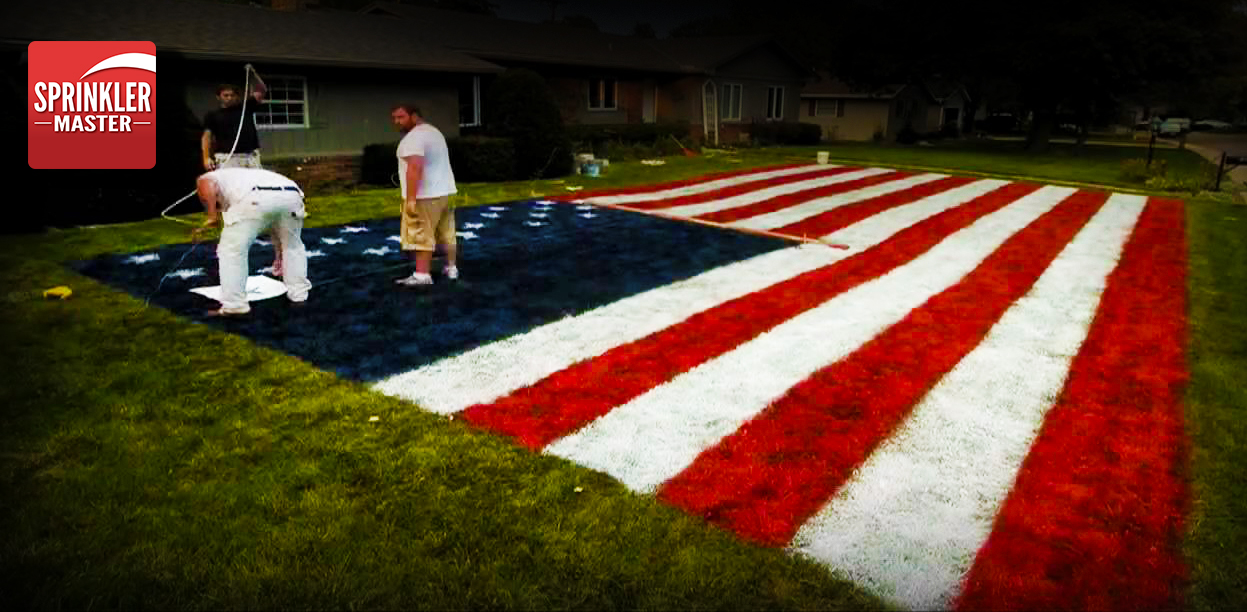
Happy 4th of July!
Happy Independence Day from Sprinkler Master Repair (Bountiful UT) (385) 226-5764
Enjoy a few interesting facts about the 4th!
- Three U.S. Presidents, John Adams, James Monroe, and Thomas Jefferson both passed away on July 4th, 1826. (1)
- Approximately 150 million hot dogs are consumed on July fourth. (1)
- The melody of the National Anthem was originally an english drinking song. (1)
At Sprinkler Master Repair (Bountiful, UT), we specialize in sprinklers. If you need any kind of sprinkler service, give us a call! Our main focus is on sprinkler repair, and have over 10,000 hours of experience in the field. We also offer emergency services. If we’re booked out, just ask for one of our emergency services, and we’ll get you in as quickly as possible! Call us at (385) 226-5764
This summer, your lawn can be greener than the other side. If you need a sprinkler installation or repair to keep it that way, give Sprinkler Master a call!
Sprinkler Master Repair (Bountiful, UT) (385) 226-5764
Monday, April 17, 2017
3 Ways to Get Your Home and Lawn Ready for Spring
Time to get your lawn ready for the coming heat! Check out our top 3 tips for getting your lawn ready for spring here! http://utahsprinklermaster.repair/3-ways-get-home-lawn-ready-spring/

If you need sprinkler repair, give us a call! Sprinkler Master Bountiful 385-226-5764
Monday, August 17, 2015
Causes of DRY SPOTS and How to Fix Them! Dr. Sprinkler Repair, Murray, UT - (385) 226-5764
Dr. Sprinkler Repair knows that nobody in Murray, UT, wants dry, brown spots on what should be a lush, green lawn. So we’ve compiled a list of the common causes of dry spots and possible remedies so that YOU, our customer, can have a healthy and thriving lawn this summer. When it comes to your sprinkler system, don’t forget to give Dr. Sprinkler Repair a call. We specialize in sprinkler repair, as well as sprinkler installation and maintenance. Call Dr. Sprinkler Repair (Murray, UT) today at (385) 226-5764.

- Animal Urine
- Dogs are the most common culprit, but large birds and other animals can cause urine spots, too. Urine usually causes your lawn to turn yellow in spots, sometimes with a bright green ring around the edges where the diluted nitrogen in the urine acts as a fertilizer. Cut out the dead spot and fill it with plugs cut from sod. Head to a nursery with a clump from your lawn and find a strip of sod that matches, or wait until the fall and sow fresh seed after clearing the dead grass and loosening the soil.
- Buried Debris
- Buried debris, such as lumber, rocks, metal, etc., can have an obvious effect on the surface of your lawn. Use a screwdriver to poke around beneath a dry spot to see if anything is underneath the sod. If possible, remove the debris.
- Chemicals
- Gasoline, fertilizer, herbicides, and pesticides can cause dead spots if spilled. If fertilizer is applied unevenly or incorrectly, it can burn the grass. Even insect repellents can burn your lawn when sprayed on the grass blades. Pour chemicals, fuels, and sprays on your driveway, not on your lawn, and follow application directions.
- Compacted Soil
- Aerate to relieve soil compaction. Add organic matter and reseed.
- Diseases
- Fungal Diseases
- Brown patch and other fungal diseases thrive in moist conditions, most often in midsummer (when nights and days are hot and humid) and spring (as snow melts). They may show up as circular or irregular brown spots, or you may notice a spotting or infected pattern on the blades or a generally dying/thinning out. Increase air circulation and sunlight as much as you can, to make your lawn less inviting to fungus. Note the size and shape of the damage as well as the frequency of watering, fertilizer, mowing habits, and sunlight in order to diagnose the disease correctly. Take a sample of the affected grass (blades, roots, and soil) to your local cooperative extension office for analysis.
- Fungal Diseases
- Dormancy
- Cool-season lawns can go dormant during the heat of summer while warm-season lawns go dormant during the winter. If your lawn has a mix of grasses, you’ll have curious brown patches as some areas go dormant while others stay green. Seasonal dormancy is normal, but make sure your lawn is healthy and strong to prevent unnecessary browning.
- Drought
- Lawns need one inch of water per week, either from rainfall or irrigation. Dry, compacted spots are more easily drought-damaged. Keep an eye on dry, sunny spots, especially if your soil drains poorly. If you irrigate, make sure your entire lawn is watered evenly.
- Dull Mower
- Dull mower blades tear your grass, causing damage and gradual death to the grass. Sharpen your blades in fall and spring. After mowing, examine your grass to see if the mower is cutting cleanly.
- Erosion
- Water tends to run off slopes, taking grass seeds and young shoots with it, and leaving bare ground or dried out areas behind. Aerate your lawn to increase water absorption. If the slope is steep, consider building terraces or planting groundcover.
- Excessive Pesticide Use
- Applying too much insecticide or herbicide can "burn" turfgrass and lead to yellow or brown grass. Follow the manufacturer's specifications on amount and frequency of application.
- Foot Traffic
- Aerate to relieve soil compaction and reseed. Redirect the traffic. If that proves impossible, install a walkway.
- Hot and Cold Temperature Extremes
- Wait for a change in the weather. Keep your eyes open for early signals of lawn problems.
- Iron
- Another reason for discoloration could be lack of iron in your soil. Some of the more common areas of the yard that you might find turning yellow from iron deficiency are those adjacent to things made of concrete. Driveways, sidewalks and concrete planters can be the culprits. The high alkaline content in concrete tends to absorb the iron found in soil, reducing the amount of iron your lawn or garden receives. Iron deficiency appears in patches. Blades may yellow but the veins retain their green color. Iron deficiency may not affect growth. Alkaline soils (such as those in the Midwestern and Western states) are especially susceptible to iron deficiencies. You can add iron as a soil supplement to neutralize alkalinity and help replenish the iron that occurs naturally in the soil. Apply as directed on the package. Remove the product from masonry or concrete surfaces before watering to avoid staining.
- Nitrogen
- Lawns that are not getting enough nitrogen (the key component of lawn fertilizer) will begin to change to light green and then yellow. The color change usually begins to show first in the lower leaves. Reduced growth is also a sign of nitrogen deficiency. Normally the entire lawn is affected. Adding nitrogen will help restore the green color if you fertilize properly. Applying too much at the wrong time can do more harm than good. Follow the package instructions carefully. Grass cycling - leaving grass clippings on your lawn after mowing - adds nitrogen naturally to the lawn.
- Pests
- Grubs
- Grubs are a common problem in mid to late summer, and most easily identified when your sod easily pulls back from the ground like a carpet. Pull back a section of sod and inspect for fat, white curved worms. More than ten per square foot can cause lawn damage. Grub control products are available at your garden center.
- Chinch bugs
- Chinch bugs are a common summer pest in warm-season lawns, especially in hot sunny patches beside driveways and sidewalks. Inspect your lawn closely, and look at your shoes as you walk through the grass – you should be able to spot the small black and white adults. They’re resistant to many pesticides, but there are products available to target them.
- Other insects
- Caterpillars and other pests can live part of their life cycle in lawns. Watch your lawn closely – look for crawling and munching insects and for grass blades that look eaten. Also watch for birds and wasps feeding on these pests in your lawn.
- Grubs
- Poor Soil
- Soil quality can vary in your lawn, and poor soil can occur in patches, causing brown, bare areas or moss. Take a screwdriver and push it into the soil. If it doesn’t go easily, your soil is likely compacted. Try aerating and top-dressing to incorporate organic matter in the soil. When you aerate, take a look at the plugs, to see how the quality and texture of your lawn varies in different spots. Keep this in mind as you amend and improve your soil.
- Roots
- Large trees or shrubs usually win the battle for water and nutrients. The area under trees is notoriously difficult for growing grass. Consider mulching or naturalizing areas under trees and shrubs.
- Scalping
- If your mower blade is set too low or there are lumps in the lawn, it can cut the grass too short and cause damage. Practice proper mowing techniques by raising your mower blades, and smooth out high spots by digging up the sod, removing some of the soil underneath, and replacing the sod.
- Shady Areas
- If you can’t beat the shade, join it—by replacing the grass with flowers and plants that don’t need a lot of sunlight. Wax begonias and torenias are two flowering annuals that add pops of color. So do New Guinea impatiens, and they’re not susceptible to the mildew-induced disease that has infected garden impatiens in recent years. Among perennials, lungworts produce pretty blue, pink, or white flower clusters, and their leaves are spotted with silver or white. Also check out plants with pretty foliage. The deep red leaves of the coleus, an annual, and the peach-colored foliage of the perennial coral bells will brighten a shady area.
- Too Much or Too Little Fertilizer
- Too much fertilizer causes excessive growth. Too little does not provide enough nutrition to promote the strong roots, crowns and leaves needed to withstand disease. Follow the proper feeding schedule for your turfgrass.
- Too Much or Too Little Water
- If the lawn is not getting enough water, the turfgrass begins to resemble straw. Walking on the lawn leaves footprints in the turf. Water only when needed to prevent overwatering. Do it as early in the day as possible to allow evaporation from grass blades. Be sure to follow any watering ordinances or restrictions for your area.
- Watering During the Day
- It is actually best to water your lawn in the early morning, before the sun has risen, or in the late evening, after the sun has set. Water droplets on grass can act as magnifying glasses for the sun’s rays, which will actually burn the grass instead of hydrating it. Setting sprinkler timers for optimal watering hours will help with this issue. For help with setting up a sprinkler timer and/or repairing or installing a sprinkler system, call Dr. Sprinkler Repair today!


Thanks to ConsumerReports.org, Julie Day at TodaysHomeowner.com, and Lowes.com for the great info on dry spots and their causes!
Dr. Sprinkler Repair, Murray, UT - (385) 226-5764
Thursday, May 14, 2015
Dr. Sprinkler Repair LLC - Murray, UT 801-988-9671
Call Dr. Sprinkler: 801-988-9671
To Seed or Not to Seed
“No question but rolling
out a carpet of sod is the quickest way to a beautiful lawn. But sod can get
expensive, especially if your lawn is going to cover a large area. The
alternative is seeding the area yourself, either by hand or with a method
called hydroseeding, which has recently become quite popular. Long used by
farmers to sow large fields, hydroseeding solves one of the main problems of
hand seeding: even dispersal of seeds. The grass seed — a mix of varieties
blended for your climate and the type of use your lawn will get — is mixed into
a pulp made from virgin wood fibers, fertilizer and binding agents.”

We strive for
outstanding customer service through excellent communication and work quality.
Our goal is to make sure YOU are satisfied with your Dr. Sprinkler experience!
Call Dr. Sprinkler: 801-988-9671
Wednesday, April 22, 2015
Dr. Sprinkler Repair - Murray, UT (385) 226-5764
Sprinkler maintenance: (385) 226-5764
http://www.drsprinkler.info/
Dr. Sprinkler’s goal is to ensure that your property will be aesthetically pleasing through proper maintenance and professional care. They are dedicated to providing their clients with the landscape they desire. They also focus on the individual needs of each location, they strive to ensure that the needs, expectations and requirements of each client are met.

------------------------------------------------------------
How do I replace a sprinkler head? Here’s a little video to help you with your sprinkler head replacement: Click here!
---------------------------------------------------------------
How do I set the timer for my sprinkler system?
Doing it yourself initially looks confusing, but here’s a breakdown of how to work it: Click here!
----------------------------------------------------
Sprinkler maintenance: (385) 226-5764
http://www.drsprinkler.info/
Thursday, March 12, 2015
Dr. Sprinkler Repair - Murray, UT (801) 988-9671
Sprinkler maintenance: (801) 988-9671
http://www.drsprinkler.info/
Dr. Sprinkler specializes in sprinkler repairs and installations. We have a goal to have outstanding customer service and communication with our customers. Dr. Sprinkler knows that the business is only as good as the people that work for it. As part of our mission statement we are honest, clean and full of integrity; therefore, we say we will be there when we say we will be there.

---------------------------------------------------------------
How do I fix my pop up sprinkler head?
Here’s how to fix a pop up sprinkler head in 12 easy steps: Click here!
----------------------------------------------------------------
How do I change a sprinkler head?
Here’s how to change general sprinkler heads in 5 steps: Click here!
------------------------------------------------------------

Sprinkler maintenance: (801) 988-9671
http://www.drsprinkler.info/
Subscribe to:
Posts (Atom)